
Raytron Technical Review RESEARCH ARTICLE WP-06-06

Copper Clad Zinc: Emerging Lightweight Conductor

Gao-Lei Xu1 *

1RAYTRON Group Technology Research Center, China

*Corresponding author

Received: 2025-12 Accepted: 2026-02 Published: 03/2026
DOI: 10.1234/raytron.2026.WP-01-16

1. Introduction

for Conductor makes as Core research 。 Density conductivityas Weightsensitiveapplicationsprovides 。
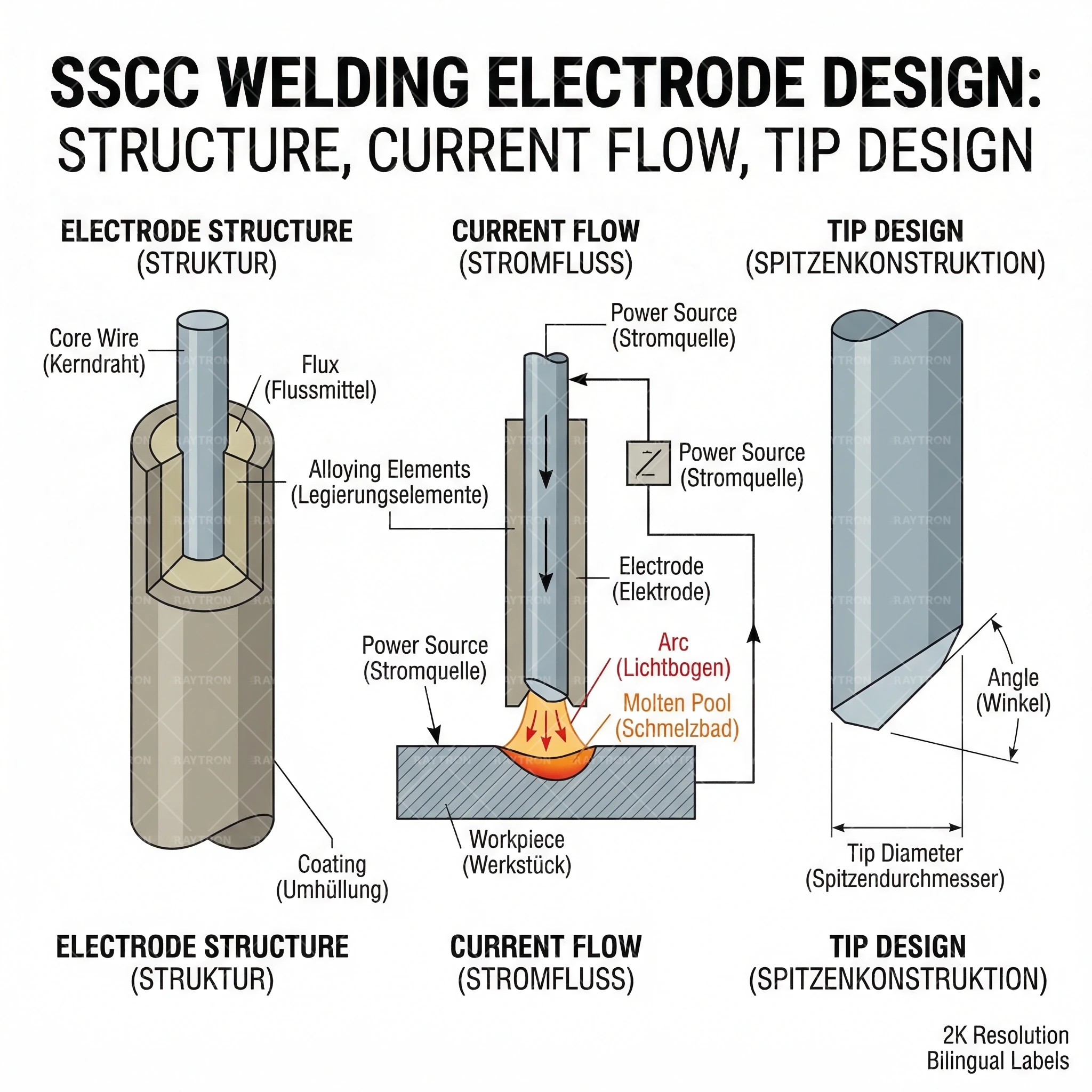
CCZ vs CCA Comparison Performance
Fig. 1 CCZ vs. CCA Performance Comparison

2. Material Properties

CCZCCA17%。

3. Manufacturing Considerations
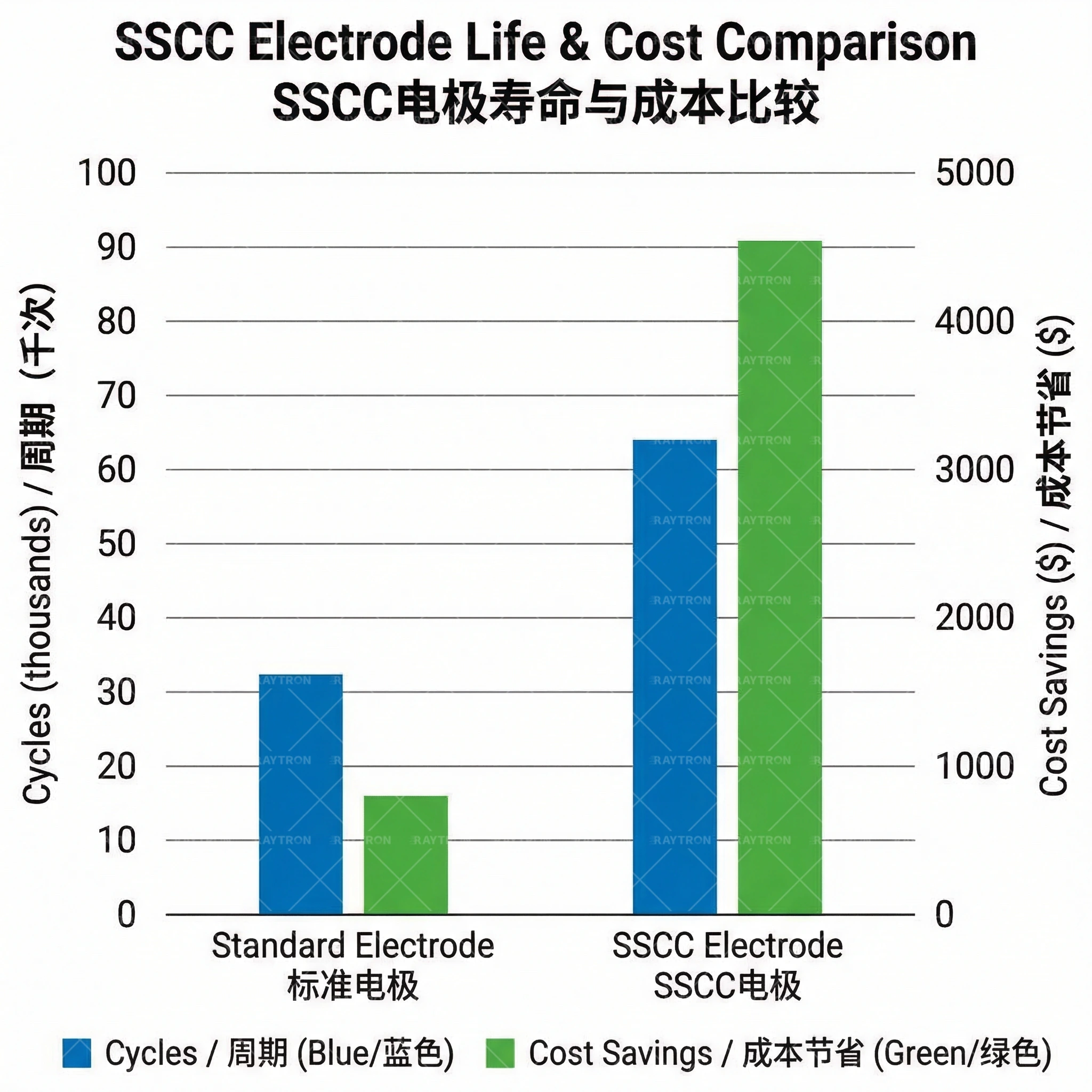
Cu-Zn Phase Diagram
Fig. 2 Cu-Zn Phase Diagram

4. Comparison

5. Applications

6.

CCZExperimentto stage ,standards。

7. Conclusion

CCZ emerging materials,in WeightKeyapplications has 。

Frequently Asked Questions

What are the advantages of CCZ compared to CCA?

CCZ's main advantage is lower density (about 17% lighter), making it the lightest bimetallic conductor option. Additionally, zinc core has natural compatibility with zinc-based battery systems, offering unique advantages in new energy applications. Cost-wise, zinc and aluminum prices are similar, giving CCZ cost competitiveness.

Is CCZ ready for commercial application?

CCZ is currently in laboratory to pilot stage, with no established industry standards yet. While technical feasibility has been verified, before large-scale commercialization, process optimization, complete property characterization, application testing validation, and standards development still need to be completed.

What applications are suitable for CCZ?

CCZ potential applications include: RF cable cores (cost advantage), zinc-based battery systems (material compatibility), weight-sensitive aerospace and portable electronics (lightest option). However, note its conductivity (45-60% IACS) is lower than CCA, requiring performance trade-off considerations.

What technical challenges does CCZ manufacturing face?

Main challenges include: zinc's low melting point (419°C) limits heat treatment temperature; zinc and copper easily form brittle intermetallic compounds (like γ-phase Cu₅Zn₈); zinc's high chemical reactivity requires protective atmosphere. Solutions include precise temperature control, optimized cladding process, and protective atmosphere use.

Figures

Create CCZ vs CCACompare Performance Diagram

Fig. 1 CCZ vs CCACompare Performance

Cu-ZnPhase Diagram

Fig. 2 Cu-ZnPhase Diagram

Tables

Table 1 PhysicalCompare Performance
PropertyCCZ-15%CCA-15%
Density (g/cm³)3.03.6
Conductivity (% IACS)45-5062-68
Melting Point (°C)419 (Zn)660 (Al)
Table 2 ManufacturingChallenge
ChallengeQuestionMitigation
Low Melting PointHeat TreatmentAffectedLimitLowTemperature Annealing
Zinc Reaction PropertiesOxidationProtectionAtmosphere
Intermetallic CompoundYellowCopperFormationTemperature Control
Table 3 Potential in Applications
ApplicationAdvantageConsideration
Aerospace WiringLightest SelectionTemperature Limitations
Portable ElectronicsWeight ReductionConductivity Trade-off
Drone SystemsWeight CriticalCost Effective

References

  1. ASM International Zinc and Zinc Alloys ASM (2020)
XU

Gaolei Xu

Senior Materials Scientist

Credentials & Honors

  • CTO, Raytron Group
  • Zhejiang Provincial High-level Talent Special Support Program - Young Talent
  • Shaoxing "Technology Vice President"
  • Shaoxing Science and Technology Commissioner
  • Member of National Technical Committee 243 on Heavy Metals (SAC/TC 243/SC2)

National Standards (Lead Author) View Official

Patents (Inventor) Search Patents

  • CN104959396A - Production Process of Copper Strip for Composite Contact Materials
  • CN106077125A - Production Process of Copper Profile for Magnetic Pole Coils
  • CN201410710206 - Conductive Material for High-speed Railway Traction Motors and Production Method
  • CN201310719717 - Method for Controlling Strip Shape of Copper Strip Blank by Continuous Extrusion
  • CN201310720126 - Device for Controlling Strip Shape of Copper Strip Blank by Continuous Extrusion
  • CN201310376884 - Five-in-one Copper Strip Edge Treatment Equipment for Transformers
  • CN201420184755 - Continuous Extrusion Die Flow Promotion Device
  • CN201320761640 - Continuous Extrusion Waste Cleaning Device

Areas of Expertise

Copper-Clad Aluminum (CCA) Technology Copper-Clad Steel (CCS) Manufacturing Bimetallic Composite Materials PV Ribbon for Solar Cells Battery Tab Materials for EV Applications Continuous Extrusion Technology

Selected Publications

  • Research and Application of Rolling Method for Manufacturing Metal Laminated Composites, Aluminum Processing Journal, 2008
  • Annealing Process Research of Copper-Aluminum Composite Strip
  • Research on Preparation Process of Copper/Aluminum Composite Strip for Cables
  • Interface Microstructure Evolution of Rolled Copper/Aluminum Composite Strip During Annealing

Mr. Xu Gaolei is a distinguished expert in non-ferrous metal processing with over 15 years of experience. He is recognized as a Young Talent under the Zhejiang Provincial High-level Talent Special Support Program. He leads R&D initiatives in bimetallic composite technologies and has contributed significantly to the standardization of copper and bimetallic materials in China.

Click standard/patent codes to view official documents

Contact Raytron Now - Let Every Meter of Material Create Higher Value for You

Our technical team is the author of multiple Chinese national standards, with 30 years of industry experience and 34 patents, delivering professional bimetallic composite material solutions. Contact us for technical support and product quotes.

Contact Raytron Now - Let Every Meter of Material Create Higher Value for You

Our technical team is the author of multiple Chinese national standards, with 30 years of industry experience and 34 patents, delivering professional bimetallic composite material solutions. Contact us for technical support and product quotes.

Request Quote Chat on WhatsApp