
Advanced Testing: Bimetallic Conductor Characterization
1. Introduction
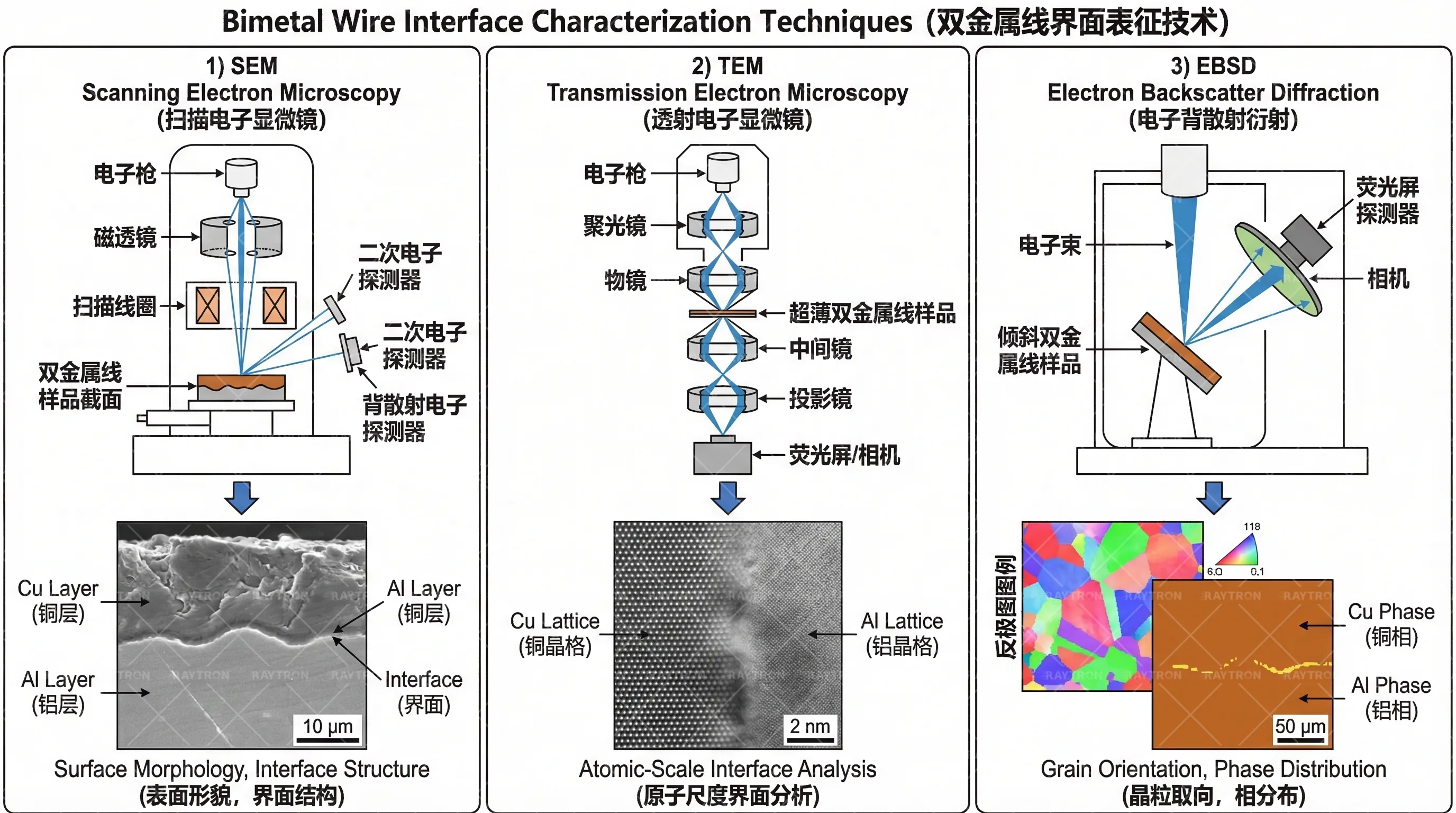
2. Microscopy Analysis
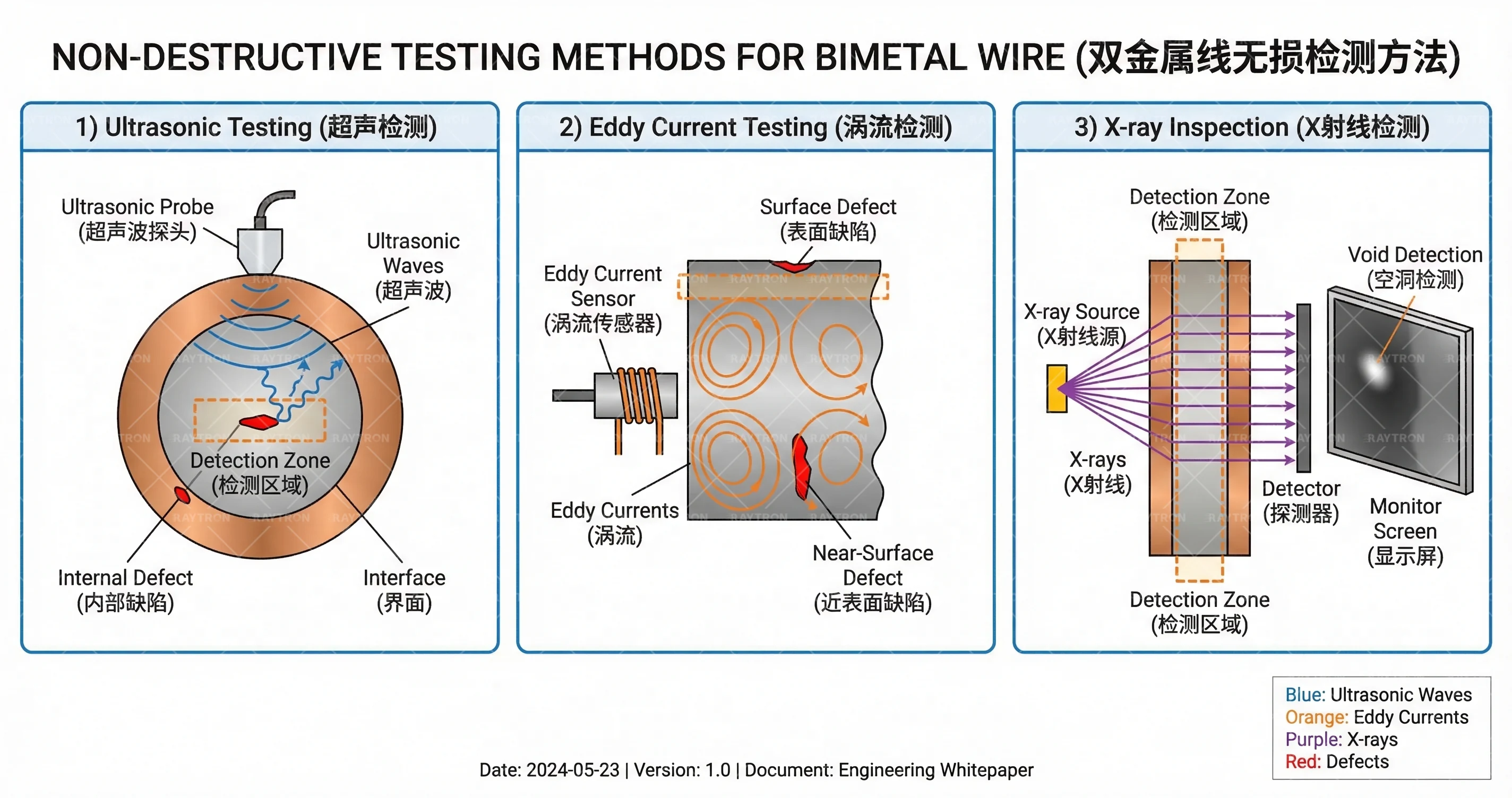
3. Inspection
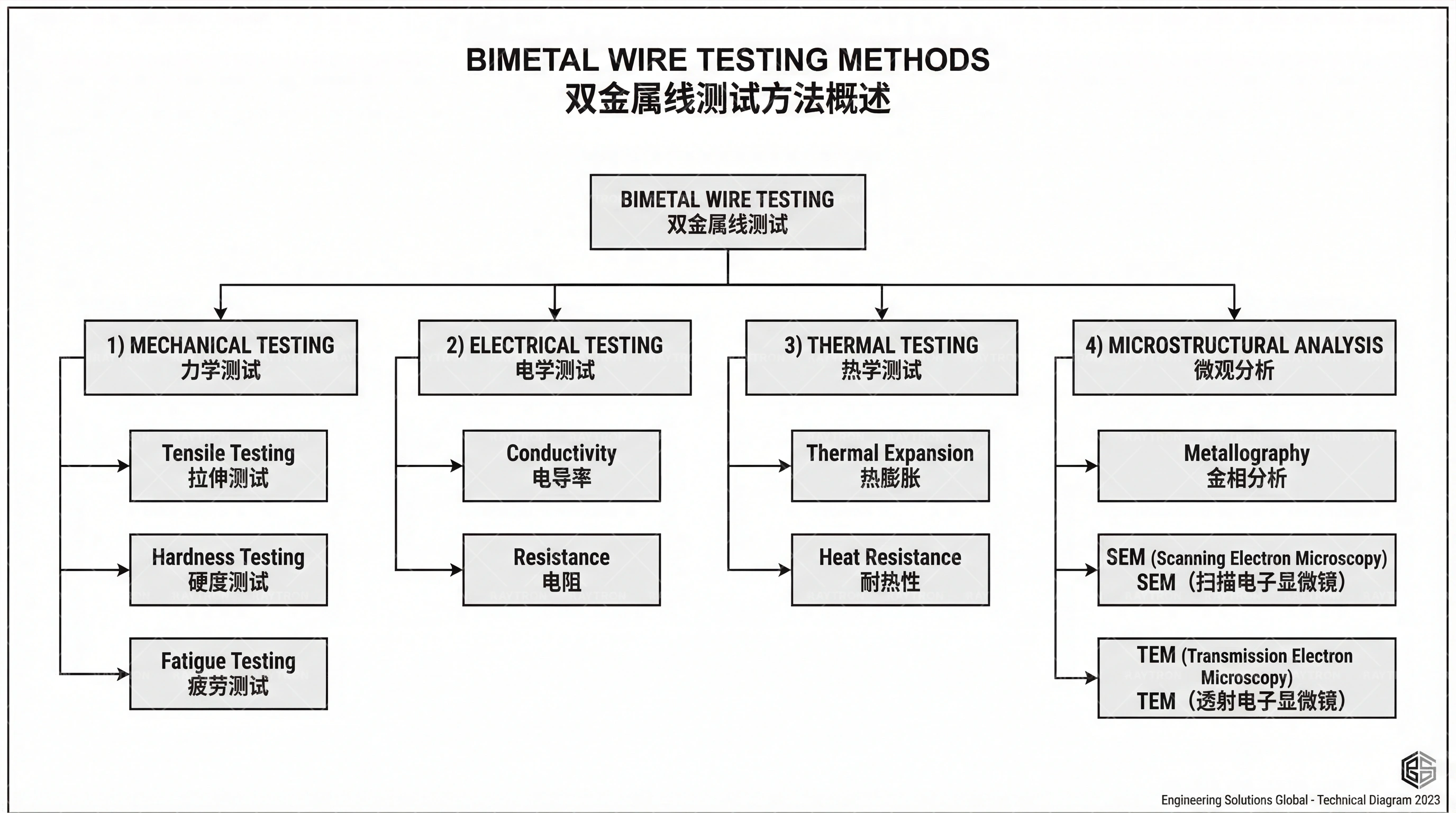
4. Mechanical Testing
5. Testing
6. Conclusion
Frequently Asked Questions
How to choose appropriate characterization method?
Choose based on information needed: SEM for interface morphology, TEM for atomic structure, EDS for composition distribution, peel testing for bond strength, four-point probe for conductivity. Combining multiple methods provides comprehensive characterization.
What are the limitations of non-destructive testing?
Ultrasonic testing has difficulty detecting small defects (<0.5mm); eddy current testing is affected by material magnetism and surface condition; X-ray testing has low sensitivity for thin sections. Non-destructive testing needs to be combined with destructive testing.
How to ensure accuracy of test results?
Methods to ensure accuracy: use calibrated equipment, follow standard test methods, perform repeat testing, establish test uncertainty assessment, regularly conduct inter-laboratory comparison. Testing personnel need professional training.
Figures
SEMInterface MorphologyPhoto
Ultrasonic Testing Principle Diagram
Create Tensile Test Curve
Tables
| Technique | Resolution | Info Type |
|---|---|---|
| OM | 0.5 μm | Morphology |
| SEM | 10 nm | Morphology + Composition |
| TEM | 0.1 nm | Atomic Structure |
| Method | Detection Capability | Applicability |
|---|---|---|
| Ultrasonic | Delamination, Voids | All |
| Eddy Current | Conductivity, Thickness | Conductive Materials |
| X-Ray | Internal Defects | Thick Cross-Section |
References
- Materials Characterization Handbook ASM (2020)