
Evaluate Clad Conductors for eVTOL Electrical Systems
Weight is one input in an aircraft conductor decision. The candidate also needs to meet the program’s electrical, thermal, mechanical and joining requirements. Define the component and qualification route before comparing material structures or requesting development samples.
Author: Raytron Content Team
Content Team
On this page
Account for the complete electrical assembly
| Mass contribution | Electrical or mechanical condition to retain |
|---|---|
| Conductor | Resistance, section, current duty and routing |
| Insulation | Required electrical performance, environment and finished envelope |
| Terminals and joints | Compatible materials, joining method and retained connection performance |
| Supports and protection | Vibration, movement, enclosure and installation requirements |
Compare the sum for the same duty. CCA may change conductor mass and section; NCC addresses a different surface and connection question. Neither material name establishes aircraft-program qualification.
CCA busbars and wire
Copper-clad aluminum may be considered where reduced conductor mass is useful and the design can accommodate its electrical and mechanical properties. Specify the copper fraction, core material, dimensions and temper. Compare alternatives at equal resistance as well as within the available space.
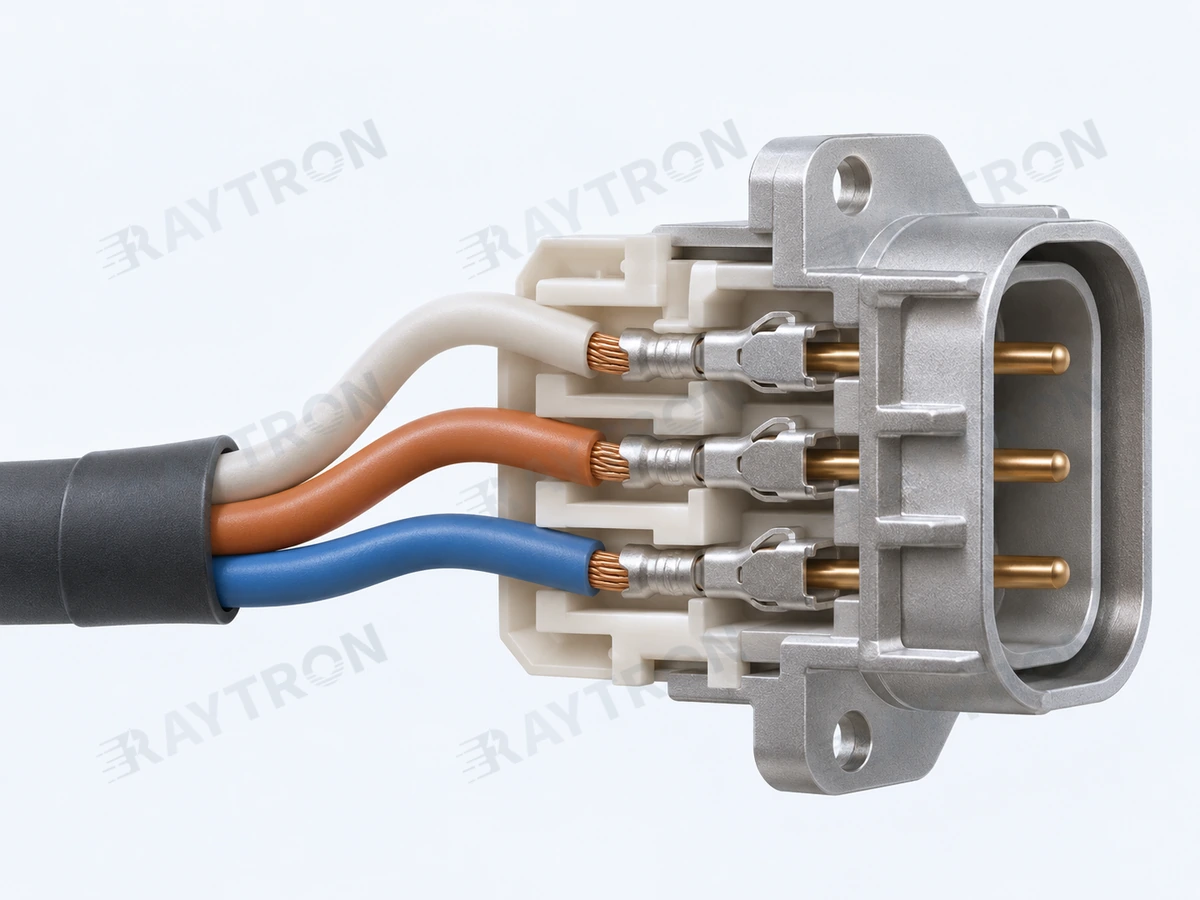
Nickel-clad copper
For higher-temperature locations, review nickel-clad copper against the required oxidation resistance, joining method and service-temperature range. Confirm the material specification and test evidence for the proposed construction.
Qualification
Material data alone does not establish suitability for an aircraft. Request Raytron’s current certification scope and agree the component-level qualification work with the aircraft program.
Provide the drawing, load profile, temperature range, mass target, joining process and applicable qualification requirements.
